
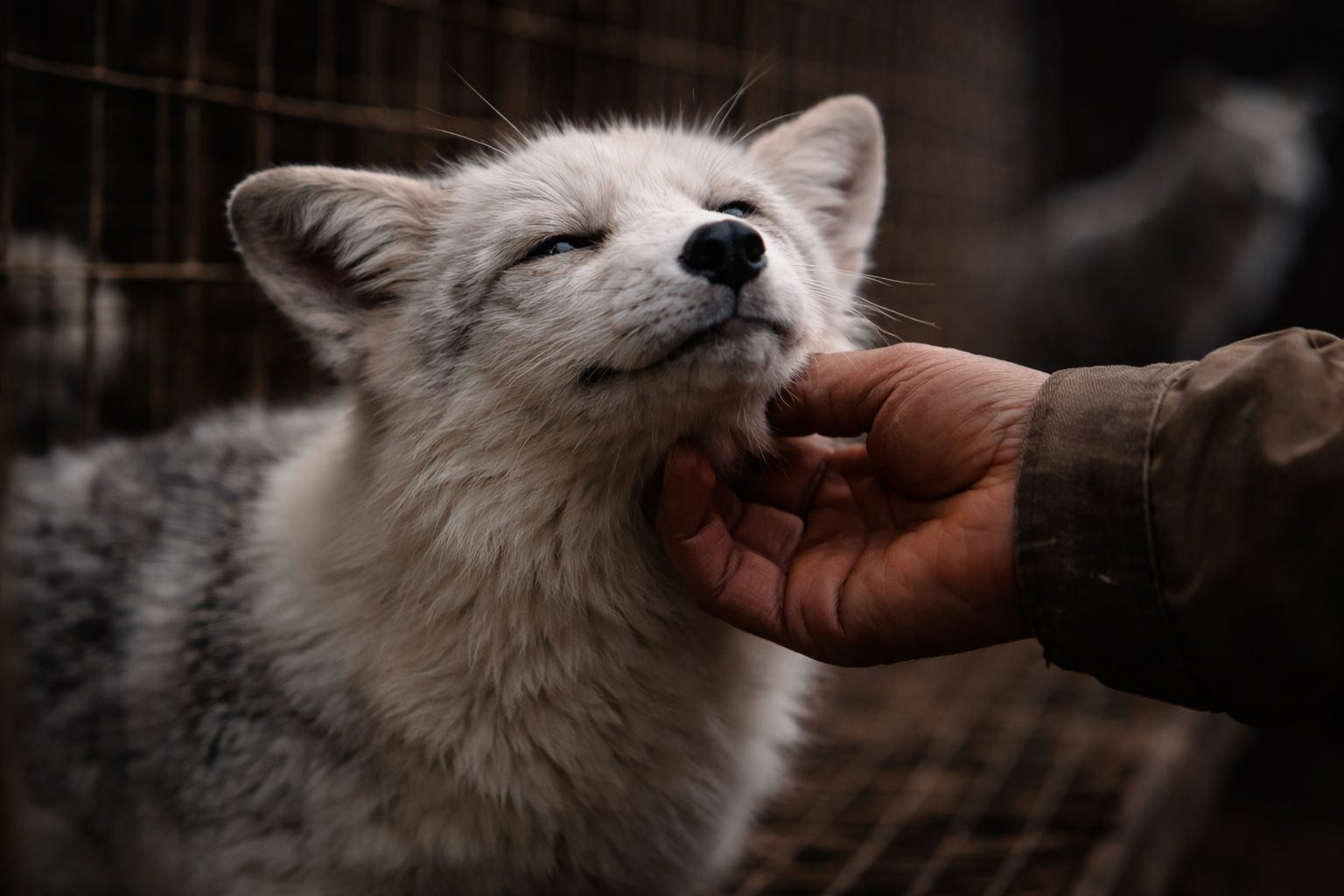
In 1959, Dmitri Belyaev started breeding silver foxes for a single trait. Tameness. The willingness to approach a human without fear.
Within ten generations the foxes had changed. Their ears went floppy. Their tails curled. White patches appeared on their coats. Their skulls shrank. Their stress hormones dropped. They started wagging their tails and barking.
They had become, in effect, dogs.
What stuck with biologists wasn’t the tameness. It was everything else that came with it, unasked for. Select for one trait and you get a package: softer features, smaller teeth, persistent juvenility. The wild doesn’t just recede. It’s replaced.
Now look at your hiring. Your promotion criteria. Your 360s.
You select for “fit”. “Commercially astute”. “Team player”. “Good cultural match”. You think you’re choosing one or two traits. You’re choosing a package. The rest only shows up years later: rounded edges, pattern-matched thinking, an aversion to sharp opinion, and the permanent adolescence of people who have never been asked to lead from their own authority.
You have been breeding executives for tameness. And wondering where the original thinkers went.
The harder work is the reverse. Wildness cannot be selected for through the same mechanisms. It requires a different kind of attention: who gets protected when they disagree, who gets promoted despite being inconvenient, who is given room to be difficult because they are right.
A question for your next leadership meeting:
Look around the table. What have you been selecting for?